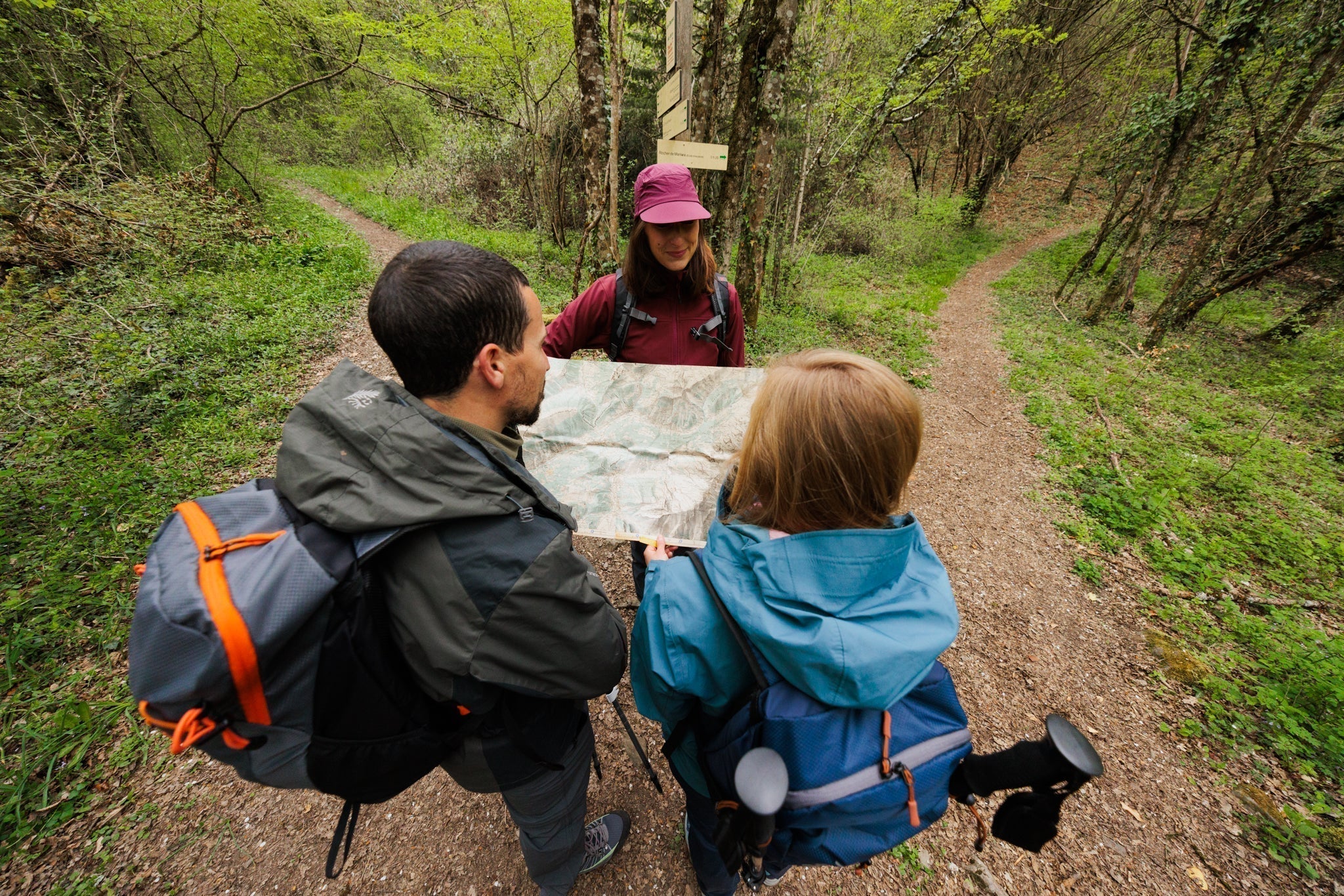

Before the rope and the harness, there is the approach walk. An essential step for climbers, but a term that is sometimes unclear to those who do not go into the mountains.
Is it a classic hike? Not quite.
Is it already climbing? Not yet.
It is that moment between the two, sometimes short, sometimes endless, which connects the valley to the walls, the summits, or the refuges.
It requires endurance, good movement technique, and above all, suitable shoes. In this article, we will look back at what an approach walk is, how it differs from a classic hike, who does it, and why the choice of your shoes can make all the difference.
Approach walk: what are the differences with hiking?
The approach walk is that section that connects "civilization" to the start of a wall, a summit, or a refuge. It is located between hiking and climbing. Too technical to be a simple walk, not yet as committed as the ascent, it prepares the ground.
What distinguishes it from a classic hike is the variety and technicality of the terrain. You can go from a forest path to unstable scree, to a rocky slab to cross on all fours, and end with a steep slope before reaching your goal. The approach walk therefore requires more attention, more precision in foot placement, and often more physical effort.
It is also a step that conditions the rest: arriving tired or unprepared can compromise the ascent. It requires managing your pace, staying attentive, and equipping yourself correctly, especially when it comes to shoes.
Unlike sneakers or heavy hiking shoes, approach shoes are designed for versatility: walking for a long time, climbing on rocks, supporting loads, and remaining reliable on changing terrain.
You will often see it as a "warm-up," but in reality, the approach walk is an integral part of the mountain adventure. It already tests your endurance, your technique, and your mindset.
Approach walk: for whom and in what context?
The approach walk is primarily for climbers and mountaineers. For them, it is the gateway to the route they want to climb. Before taking out the rope and the harness, they must cover this sometimes long and demanding section.
Experienced hikers are also interested in it. Some routes lead to high-altitude lakes or viewpoints accessible only after an approach walk. A good way to break out of the hiking routine and seek a little more challenge.
Finally, mountain professionals such as guides or rescuers know it well. It is part of their daily life, whether accompanying a group or intervening on rugged terrain.
The approach walk is therefore not reserved for an elite. It attracts everyone who wants to access wilder, less frequented places, and experience the mountains differently.
Approach shoes: how to choose well?
Approach shoe sole: grip and precision
The sole is the centerpiece. It must grip the rock like a climbing shoe, while remaining comfortable enough to walk several kilometers. The front is reinforced for placing your foot on small holds, sometimes even climbing a few meters without climbing shoes. The rest of the sole remains more flexible to cushion your steps and support walking on trails.
Stability and support: the essentials of the approach walk
On an approach walk, you cross scree slopes, roots, and rocky slabs. The foot must be well supported to avoid twisting and missteps. The upper, often low or mid-cut, provides this support without weighing down the shoe. This is what makes the difference with sneakers or shoes that are too flexible, which lack support on unstable terrain.
Approach shoes: comfort or performance, do you have to choose?
A heavy hiking shoe tires you out quickly.
A climbing shoe is impractical for several kilometers.
The approach shoe is between the two: rigid enough to climb, flexible enough to walk. This compromise allows you to move for a long time while remaining effective in technical passages.
When to choose an approach shoe?
You need one as soon as your route combines distance, elevation gain, and technical passages. For a simple walk in the woods, a hiking shoe is enough. But if the terrain becomes rocky, if you have to move with a loaded backpack or reach the base of a route, the approach shoe makes perfect sense. It secures your steps and allows you to arrive ready to climb, rather than exhausted by the approach.

The approach walk is already an adventure
The approach walk is an integral part of the mountain experience. It is demanding, but that is also what makes it interesting: it already plunges you into the adventure before you have even put your hands on the rock.
It is a step that requires endurance, technique, and above all, suitable equipment. It prepares the body and mind for the ascent and directly influences what follows: arriving at the base of the route fresh and confident, or already exhausted.
Start off on the right foot with the Kimberfeel approach shoe range.
Want to go further and better understand the different ways of experiencing the mountains? Browse our other resources.
➜ Fast Hiking: properly understand this practice (and equip yourself without making mistakes)
➜ Afghan walking: the technique that will change your way of hiking
➜ Why walking in the great outdoors is good for your head (and more)
Choose Your Way.