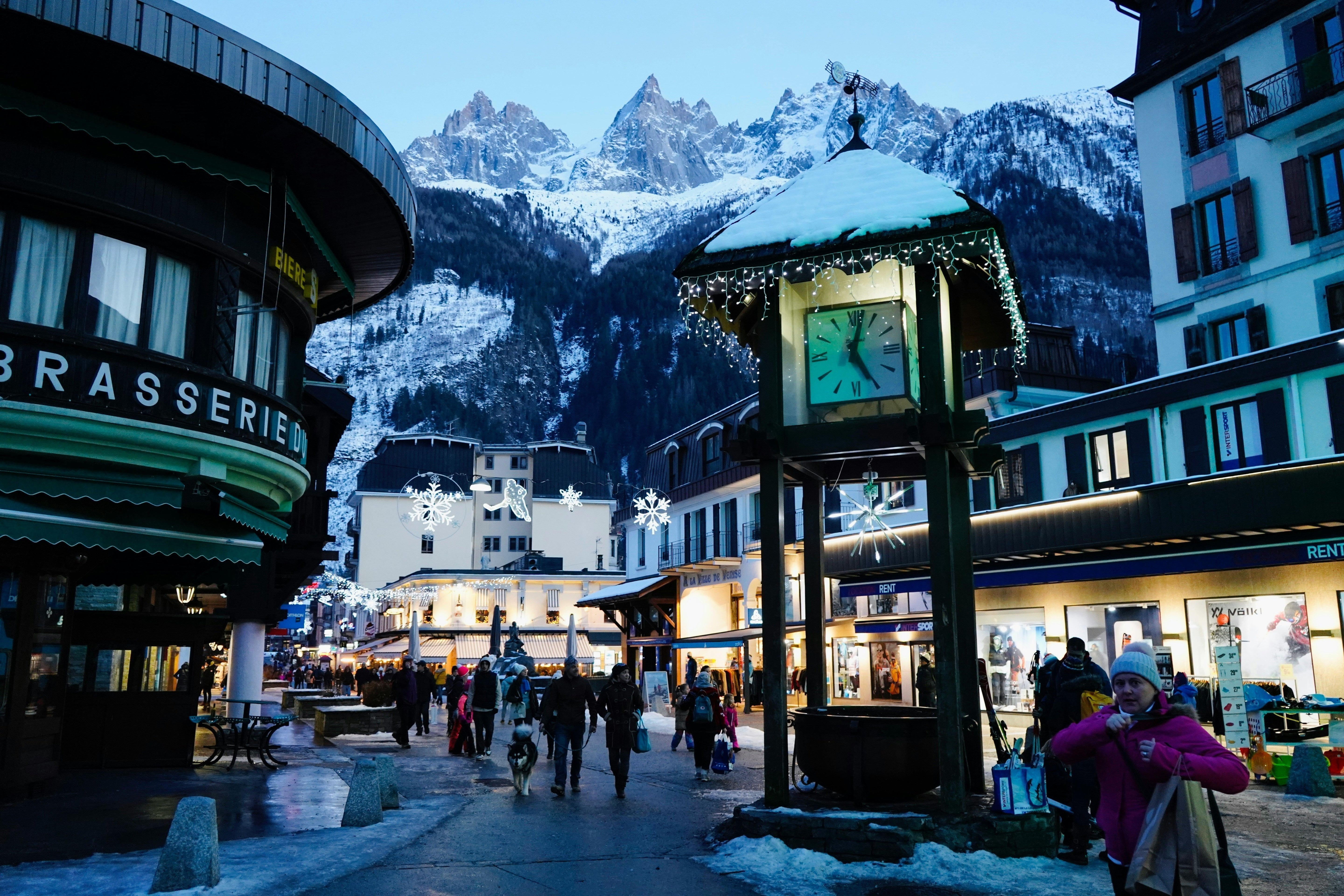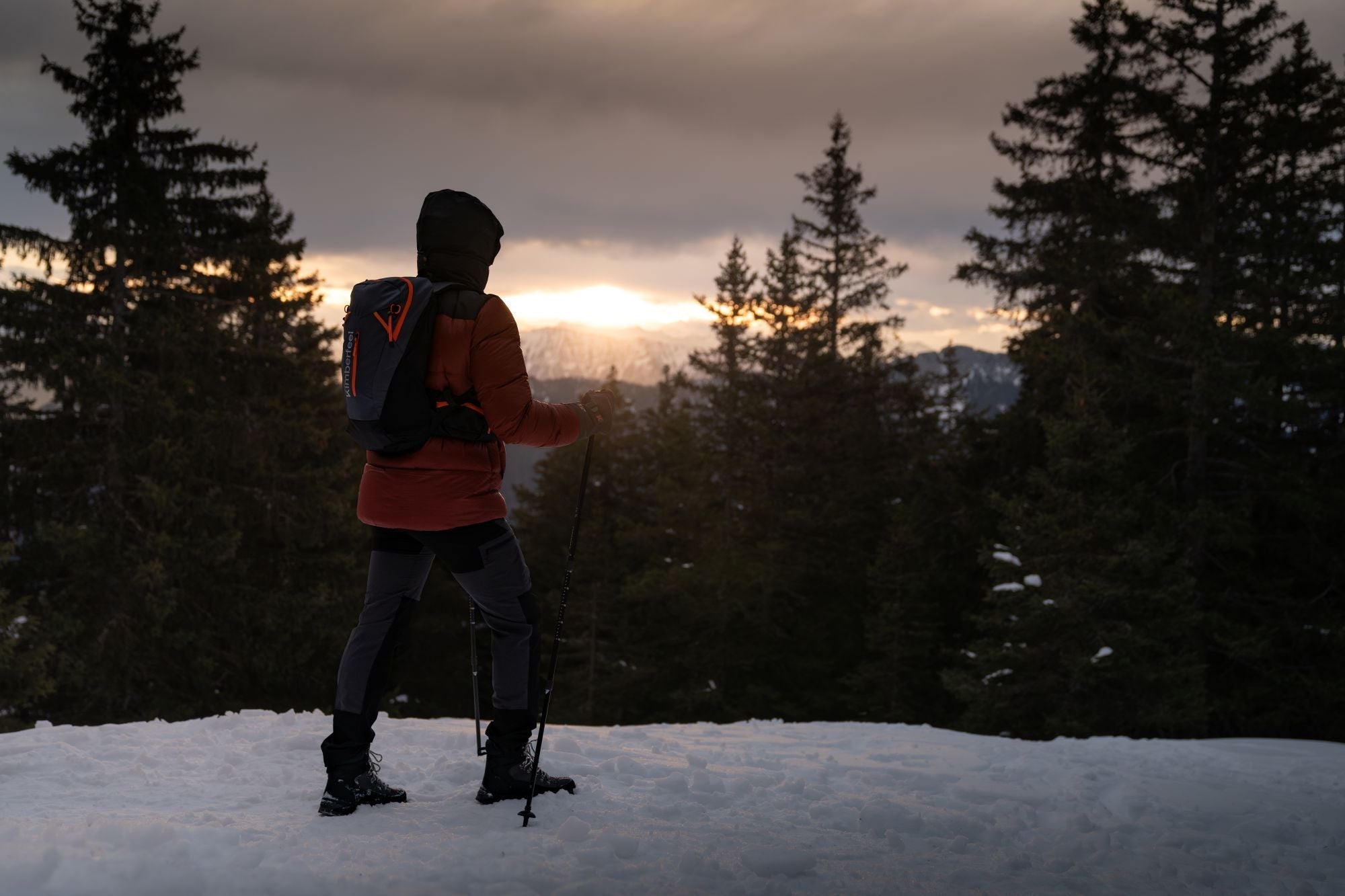

If winter means snowmen, hot chocolate and sledding, it also marks the return of slippery conditions. Icy sidewalks, packed snow, shaded areas: walking without slipping on snow can quickly become a delicate exercise.
Whether you are in the city, at a ski resort, or simply traveling in winter, the risk of falling is not due to a lack of attention. It depends mainly on what is under your feet. In this article, we look at why we slip on snow, in what situations the risk is highest, and how to reduce slipping to walk more confidently all season long.
Why do we slip on snow (and even more on ice)?
Slipping on snow is caused by a lack of grip when you put your foot down. Under the pressure of your body weight, snow turns into a thin layer of water. Between the sole and the ground, this film reduces traction.
Black ice makes the situation even more difficult. The surface is smooth, hard, and sometimes invisible.
Several factors increase the risk of slipping:
➜ temperatures close to 0°C: snow melts and refreezes continuously
➜ packed snow: trampled and compressed, it becomes almost as slippery as ice
➜ mixed surfaces: alternating snow, water, asphalt, or cobblestones
➜ gentle slopes: even a slight incline is enough to destabilize your footing
In these situations, walking carefully is not enough. Without effective grip, the sole slips instead of holding. Stability then depends less on your gait than on what is under your foot.
In what situations is the risk of slipping highest?
The risk of slipping increases whenever the surface is no longer uniform. In winter, it is rarely large expanses of fresh snow that cause problems, but mixed, poorly cleared, or heavily trafficked areas.
The riskiest situations:
➜ partially cleared sidewalks: alternating packed snow, ice, and wet asphalt
➜ pedestrian areas and parking lots: repeated traffic, compacted snow, and inconspicuous patches of black ice
➜ building entrances: snow that melts and refreezes, especially early in the morning or late in the day
➜ sloped or banked paths: even a slight incline is enough to destabilize your footing
➜ shaded areas: ice lasts longer there, even when the rest of the ground seems passable
These situations have one thing in common: the terrain changes without warning. The sole goes from a grippy surface to a slippery one in just a few centimeters. Without a suitable grip system, balance becomes unpredictable, even when walking slowly.
Why are classic shoes not enough on snow and frozen ground?
On snow and frozen ground, most classic shoes quickly show their limitations. They protect against the cold, sometimes from moisture, but rarely from slipping.
The problem is mainly with the sole:
➜ a smooth or lightly treaded sole: it does not grip on ice or packed snow
➜ rubber that is too soft: it deforms but does not bite into the frozen ground
➜ cleats designed for dirt: effective on loose ground, useless on hard, icy surfaces
Another common limitation: versatility. Many winter shoes work well on dry or lightly snowy ground, but fail as soon as the terrain hardens. In the city as well as at a ski resort, the ground alternates between asphalt, snow, ice, and indoors. The sole cannot keep up.
The problem is the lack of grip points capable of anchoring into a frozen surface. Without them, your footing remains unstable, even with good posture.
Why choose an anti-slip system built into the sole?
An anti-slip system built into the sole is especially for those who no longer want to carry crampons in a bag "just in case". For those who know all too well that moment outdoors, when you realize you clearly didn't choose the right pair this morning.
A closer look at Kimberfeel's OC System anti-slip cleats
The OC System uses retractable cleats built directly into the sole. They deploy when the ground becomes slippery and fold back when they are no longer needed.
✔ discreet metal studs that grip snow and frozen ground
✔ a profiled cleat to stay stable on uneven terrain
✔ a retractable system to move without hassle over dry ground or indoors
✔ no discomfort when walking once the cleats are retracted

Who are anti-slip soles for winter walking designed for?
These soles are especially for those who experience winter in various contexts:
➜ daily travel in the city or semi-urban areas
➜ ski resort stays with lots of off-piste walking
➜ winter walks on maintained paths that are frozen in places
➜ people who want to reduce the risk of falling without wearing technical footwear
If you are looking for a solution that adapts to your daily life, rather than a single situation, the OC System sole is made for you.
This winter, avoid difficulties on snow
Discover our collection of snow boots equipped with OC System technology:
 ➜

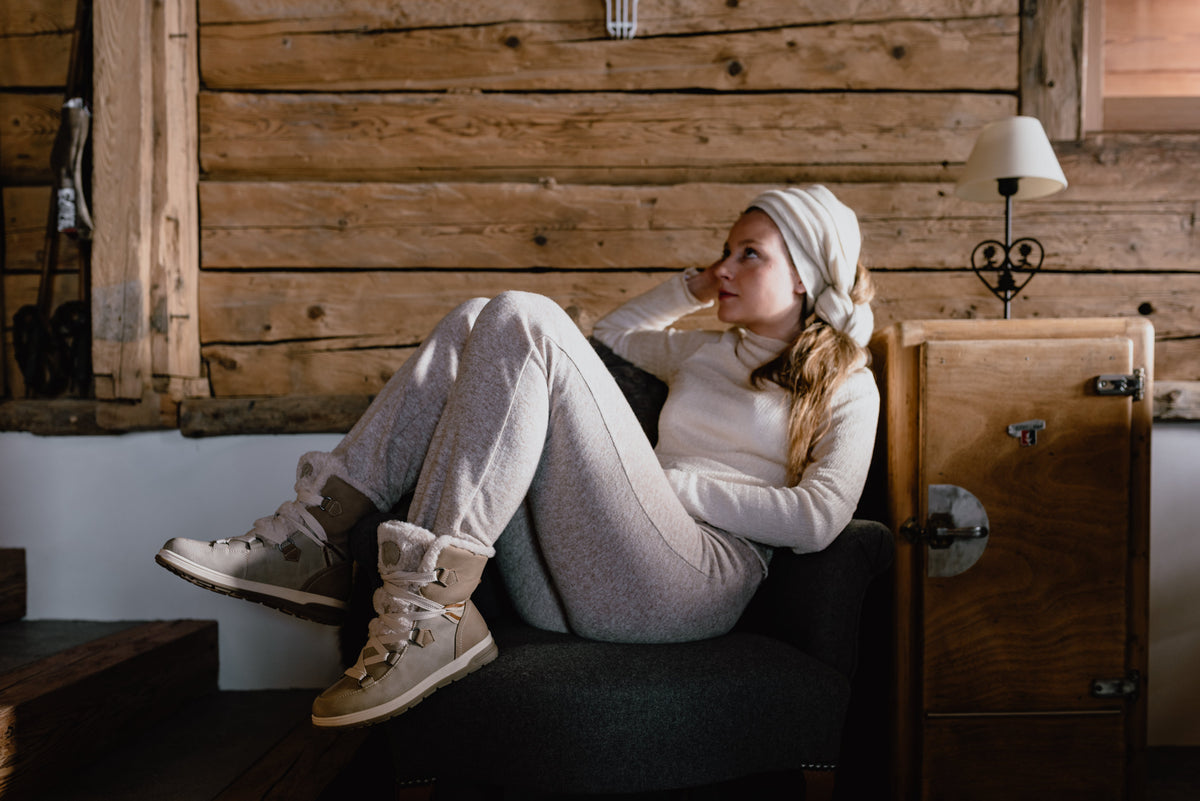
➜ CAROLINE 2 women's snow boots
Choose your way.