Choosing the right hiking shoe is essential to ensure comfort, safety and performance. Here are some criteria to consider to make the right choice:
1. Type of hike
- Day hike : For hikes on well-maintained trails, lightweight shoes or trail shoes may be sufficient.
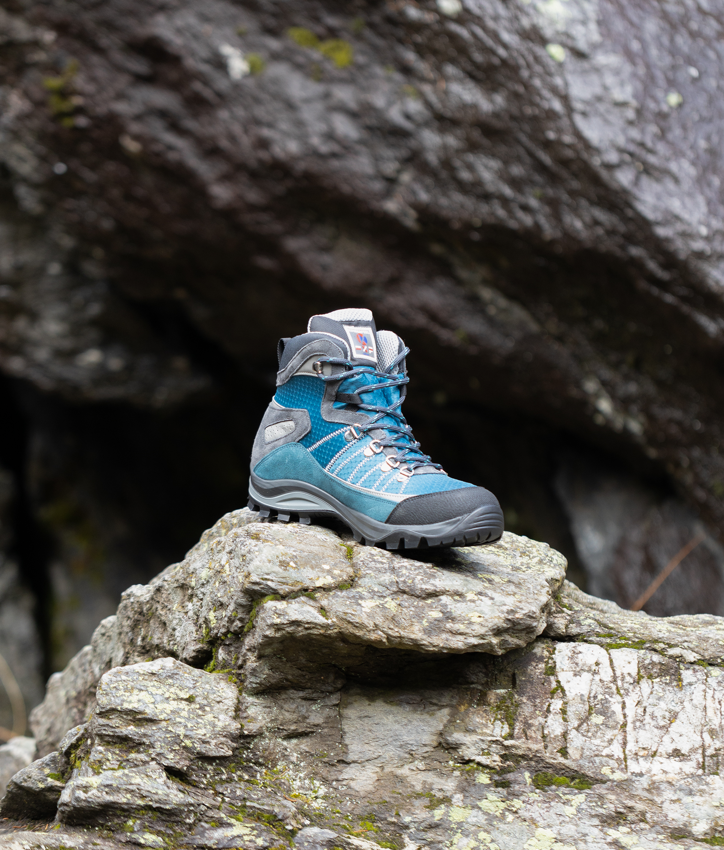
- Multi-day hike : For multi-day hikes with a heavy backpack, opt for mid-cut or high-cut hiking shoes for better support and protection.
- Hiking in Difficult Terrain : For rough terrain or harsh weather conditions, choose sturdy, waterproof hiking shoes.
2. Materials
- Leather : Durable, waterproof and supportive. Ideal for long and difficult hikes.
- Synthetic : Lighter, dries faster, but less durable than leather. Ideal for short hikes and in dry conditions.
- Kimbertex : Waterproof and breathable membrane, suitable for wet conditions.
3. Comfort and fit
- Sizing : Make sure the shoe fits properly, neither too tight nor too loose. Leave room for your toes to wiggle.
- Shape : The shape of the shoe should match that of your foot.
- Insoles : It is important to support the arch of the foot.
4. Support and cushioning
- Midsole : Look for a midsole with good cushioning to absorb shock, especially if you're carrying a heavy backpack.
- Upper : A tall upper provides more ankle support, which is important on uneven terrain.
5. Adhesion
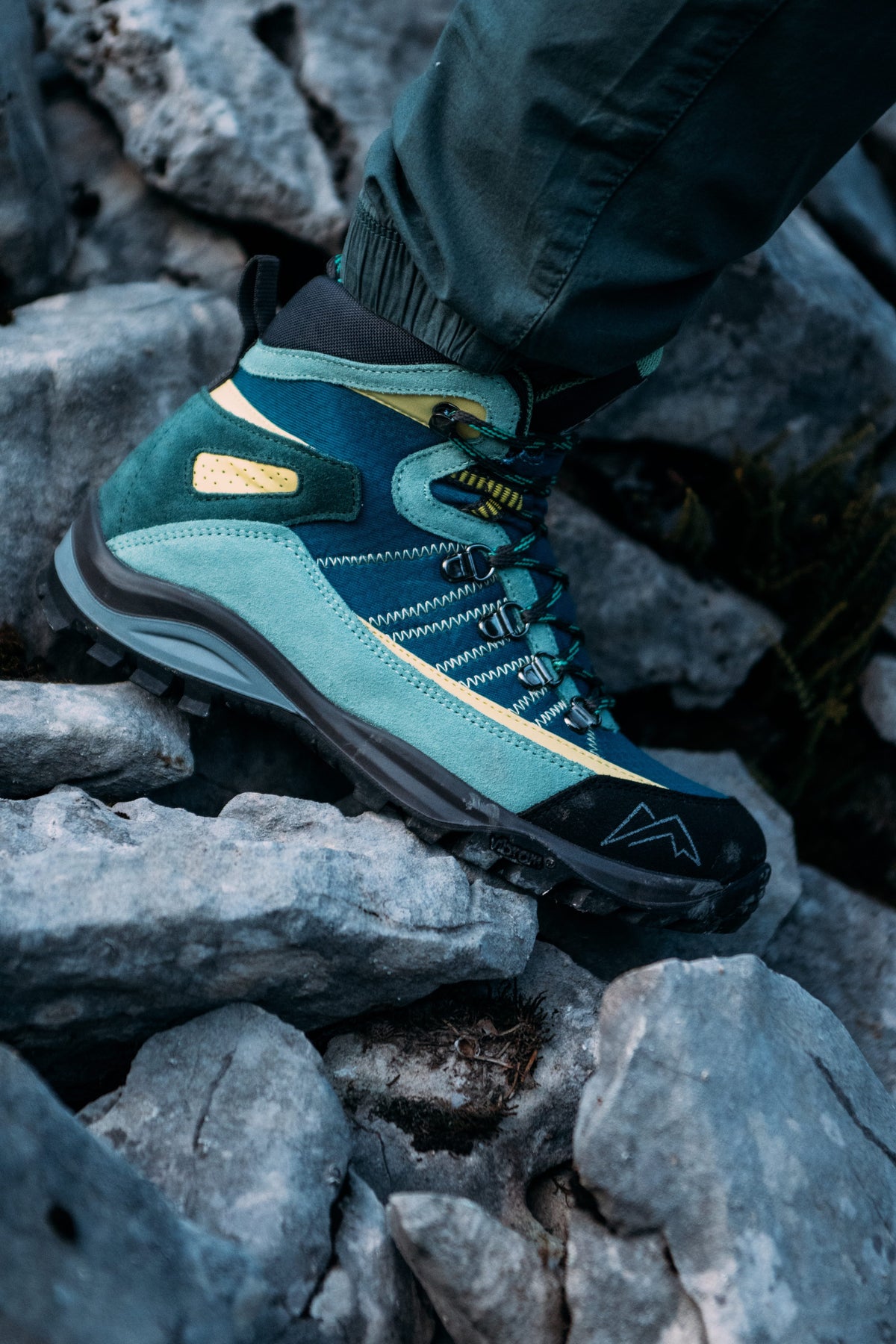
- Outsole : Choose an outsole with good traction to avoid slipping on wet or rocky surfaces. Vibram soles are recommended.
6. Waterproofing and breathability
- Waterproofing : If you often hike in wet conditions, opt for waterproof shoes.
- Breathability : In dry and hot conditions, a breathable shoe helps keep your feet cool.
7. Weight
- Lightweight : Less fatigue, ideal for quick hikes.
- Heavy : More protection and support, better suited for long, difficult hikes.
8. Test
- Try the shoes on at the end of the day : Your feet are more swollen at this time, simulating the conditions of a day of hiking.
- Use your hiking socks : For a precise fit.
- Walk : Step up and down to test support and fit.
9. Break-in
- Wear them before your hike : Walk in your new shoes to soften them and prevent blisters.
By taking these criteria into account, you will be able to choose a hiking shoe adapted to your specific needs, guaranteeing comfort and safety on the trails.
Happy hiking!