
Looking to disconnect and return to nature? Bivouacking offers that simple taste of adventure, with just a tent in your backpack, a quiet spot and waking up in the great outdoors.
But before you pitch your tent and get out the marshmallows, make sure your spot is within the rules. Bivouacking in France is strictly regulated, especially along the coast, in protected sites and in national parks. Depending on the location, times, season or local regulations, sleeping in a tent may be allowed, tolerated or prohibited.
In this article, we review the rules you need to know to bivouac without any unpleasant surprises, and keep only good memories.
Bivouacking vs. wild camping: what are the differences?
Bivouacking means setting up for a single night, often from sunset to sunrise, with lightweight equipment: a tent, a tarp, a sleeping mat and a sleeping bag. It is mainly for hikers, trekkers or travelers who stop overnight before heading off again the next day.
Wild camping involves a more permanent or noticeable setup. You pitch a tent for several nights, bring out furniture, cook on site and occupy the space. Here, you move away from the idea of a discreet overnight stop and closer to a campsite.
Can you sleep in your car, van or motorhome?
Yes, you can sleep in your car, van or motorhome if the vehicle is parked in an authorized space. But in this case, it is no longer bivouacking. As soon as a motor vehicle is involved, you are more likely to be parking, or even camping, depending on your setup.
The difference lies between parking and camping. If you stay in your vehicle without bringing out a table, chairs, awning, leveling blocks or stove, you are still parking. If you set up around the vehicle, you are camping.
You must therefore respect signs, municipal orders, time limits and prohibited areas. To avoid unpleasant surprises, check the signs on site, check the local rules and choose areas designated for vans and motorhomes.
Can you have a fire while bivouacking?
Having a fire while bivouacking requires real caution. In France, it may be prohibited depending on the area, season, fire risk level or current prefectural order. In many natural areas, especially in forests or during dry periods, it is best to assume that having a fire on the ground is problematic.
A campfire leaves traces, damages the soil and can start a fire with a single poorly extinguished ember. Even a small "controlled" fire can become risky if the wind picks up or if the vegetation lacks moisture.
To cook, use an authorized stove instead, placed on a stable and clear surface. Always check the local regulations before lighting it, especially in summer.
Where is bivouacking prohibited in France?
In France, bivouacking is governed by the rules for camping outside designated sites. The French Urban Planning Code prohibits camping in several sensitive areas. Municipalities, prefectures, natural parks and landowners can also add their own rules.
01. On the seashore
Bivouacking is prohibited on the seashore. This rule protects areas subject to heavy use, erosion, tides and biodiversity issues. A tent pitched late and taken down early is still a setup. Along the coast, it may be enough to get you in trouble.
Some municipalities also regulate sleeping under the stars, van parking and access to beaches after a certain time. Check the signs at the beach entrances and check the municipal orders.
02. In listed or classified sites
Bivouacking is prohibited in protected sites, whether they are listed or classified. This includes places recognized for their landscape, history, natural heritage or scientific interest.
A lake, cliff, forest, valley or viewpoint may be protected, even without a visible barrier or sign.
Before heading out, check the status of the site on the official websites of the municipality, department, park or tourist office. If you have any doubts, choose another spot or an authorized area.
03. Near roads, homes and water sources
Bivouacking is prohibited on roads and public thoroughfares. This also applies to places where your setup obstructs traffic, blocks a passage or creates a risk for you and others.
Another rule to know: camping is prohibited within 200 meters of a water source used for drinking water. This distance protects springs, water collection points and areas related to drinking water. On site, you do not always know if a spring is used for water supply. If in doubt, keep your distance.
Near homes, fields, private woods or farmland, ask the owner's permission.

Bivouacking: what are the rules in national parks?
In national parks, bivouacking is subject to rules specific to each area.
The first thing to check is the area where you are:
➜ The core of the park is subject to stricter regulations.
➜ The buffer zone, on the other hand, depends mainly on local rules, unless there is a specific decision.
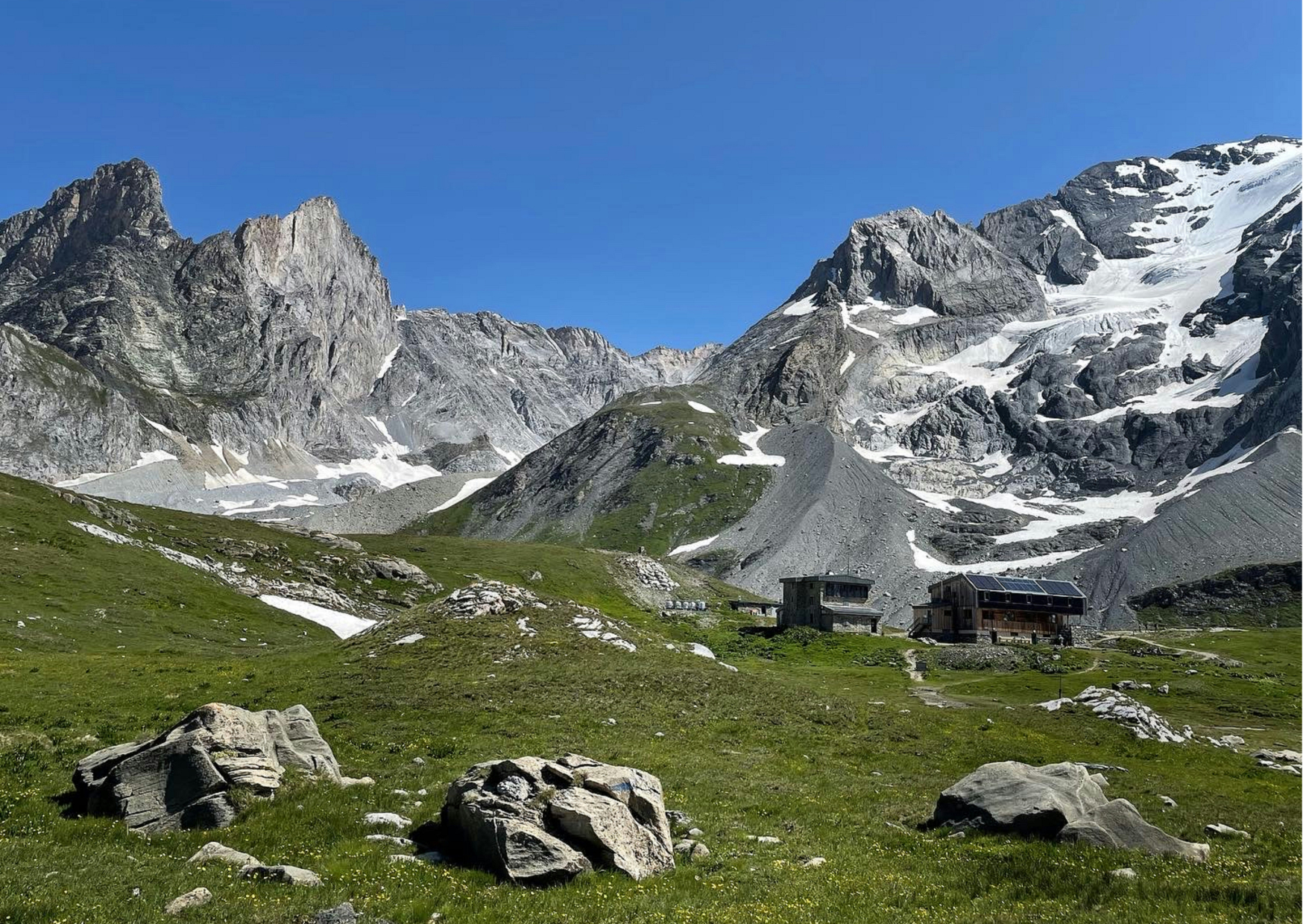
In Vanoise
In the Vanoise National Park, bivouacking is only allowed during the summer, from 7 p.m. to 8 a.m. It is permitted near certain staffed refuges, with mandatory reservation.
In the Écrins
In the Écrins National Park, bivouacking is allowed between 7 p.m. and 9 a.m. It must take place more than an hour's walk from a road access point or the boundaries of the park core.
There are also a few special cases near refuges and on very busy long-distance hiking routes. The lakes of Muzelle and Lauvitel have their own rules: bivouacking is only allowed in areas marked by signs.
In Mercantour
In the Mercantour National Park, bivouacking is allowed between 7 p.m. and 9 a.m., more than an hour's walk from the core boundaries or a road access point.
The Merveilles and Fontanalba classified site requires extra vigilance. In this area, bivouacking is only allowed in the area near the Fontanalba refuge.
In the Pyrenees
In the Pyrenees National Park, bivouacking is allowed between 7 p.m. and 9 a.m. You must set up more than an hour's walk from the core boundaries or a road access point.
There are also bivouacking areas around certain refuges. In the Néouvielle Nature Reserve, bivouacking is only allowed in the designated areas near the lakes of Orédon and Aubert.
In the Cévennes
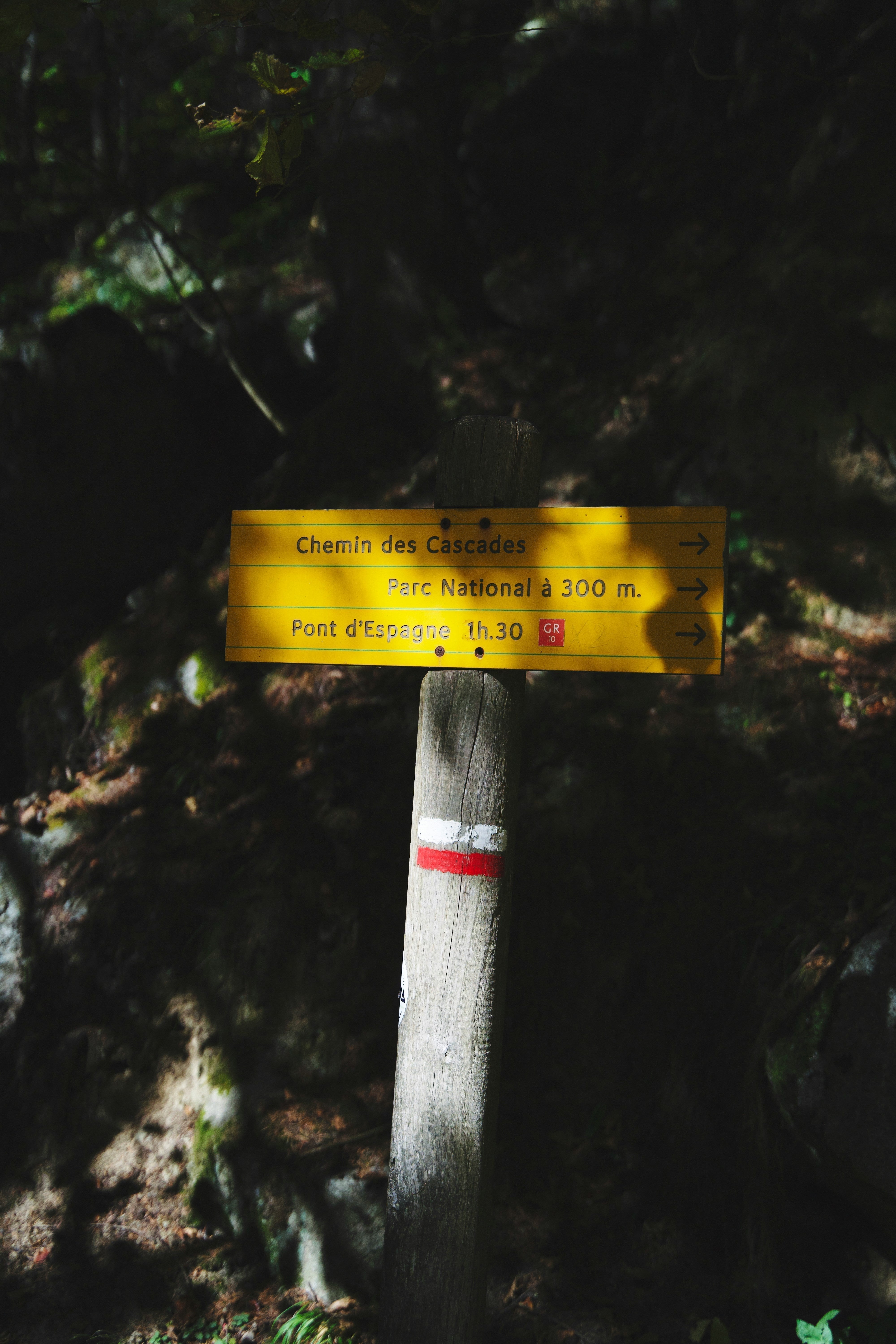
In the Cévennes National Park, bivouacking is allowed between 7 p.m. and 9 a.m. You must stay along the GR® and GRP, within a maximum of 50 meters on either side of the marked routes, without a tent or with a lightweight tent.
Some sensitive sections remain closed to bivouacking. Before heading out, check the park maps to find out where you can sleep.
In the National Forest Park
In the National Forest Park, bivouacking is allowed near roads and trails. You can set up 1 hour before sunset and must leave 1 hour after sunrise.
In Guadeloupe
In the Guadeloupe National Park, bivouacking is allowed from dusk to dawn. You must set up more than an hour's walk from the core boundaries or a road access point.
In French Guiana
In the Amazonian Park of French Guiana, bivouacking requires special attention. The park core protects natural environments, landscapes, but also living spaces and local cultures.
The park recommends avoiding any intrusion into villages without an invitation. Before spending the night there, find out about the access conditions and authorized activities. Here, respecting the site also means respecting the communities that live there.
In Réunion Island
In the Réunion National Park, bivouacking is allowed between sunset and 8 a.m. It can take place in the park core, except in certain restricted areas.
Excluded areas include the Mare-Longue forest, Grand Bassin, the Rivière des Remparts, and the cliffs below Piton des Neiges and Grand Bénare.
At Port-Cros
In the Port-Cros National Park, bivouacking is completely prohibited. On the islands of Port-Cros and Porquerolles, visits are therefore planned for the day or with authorized accommodation on site.
In the Calanques
In the Calanques National Park, bivouacking is completely prohibited. This prohibition also applies to the roadsides that cross the park core. To enjoy the trails without risk, plan a day trip or arrange an overnight stay outside the prohibited areas.
Before every bivouac in a national park, check the official website of the park concerned. Times, authorized areas, refuges and exceptions may change.
A breakfast with a view is earned
Before pitching the tent, you need to reach the spot. For 70 years, Kimberfeel has accompanied your small & big adventures with trekking & hiking shoes designed for the whole family.
Choose Your Way.