
You enjoyed the snow this winter and are now waiting for the first days of good weather to get your hiking shoes out again? So do we!
Spring hiking in the mountains marks a real return to the trails. The snow is gradually receding, the paths are reappearing, and water is everywhere. The landscapes change quickly, sometimes from one week to the next, and the mountains take on a new look.
When properly planned, spring hiking offers varied outings, calmer than in summer and ideal for getting back into the swing of things.
In this article, we review the best hikes for spring, the activities to combine, the equipment to bring, and the best practices to follow to enjoy the trails from the very first days of good weather.
What types of hikes to choose for spring
In spring, mountain hiking requires choosing your routes with a little more care, so you can fully (and safely) enjoy the unfolding landscapes.
Mid-mountain hikes: the right compromise
The mid-mountains offer the most consistent conditions in spring. Between 800 and 1,800 m, the trails are often cleared earlier, the elevation gain remains manageable, and the routes are well-marked. You can gradually increase the distances without exposing yourself to overly technical sections.
South-facing routes
South-facing slopes benefit from more sunlight. The snow melts faster there and the ground dries more quickly. These routes allow you to hike earlier in the season, with more pleasant temperatures and fewer slippery areas. A good choice for getting back into the swing of things after winter.
Balcony and forest hikes
Balcony trails offer beautiful views without the need for high altitude. In the forest, you gain comfort in changeable weather, with natural protection against the wind and temperature fluctuations. These hikes often remain accessible even when the peaks are still partially covered in snow.
Hikes to avoid (or adapt) in spring
In spring, mountain hiking is still possible on many routes, but some terrain requires more caution. Adapting your choices helps avoid unpleasant surprises and keeps the enjoyment intact.
High-altitude routes
At high altitudes, snow cover often persists until late spring. Passages can remain technical, poorly marked, or partially covered in hard snow. Navigation becomes more complex and conditions change quickly. These hikes are best planned later in the season or with appropriate equipment and experience.
North-facing slopes and shaded areas
North-facing slopes retain snow longer. The terrain there remains cold, damp, and sometimes icy, especially in the morning. Even at mid-altitude, these areas require vigilance and can significantly slow down progress. It is better to favor sunny areas when conditions remain uncertain.
Avalanche couloirs and steep slopes
The melting period weakens the snowpack. Steep slopes and avalanche couloirs become unstable, especially around midday. These areas increase risks and limit safety margins. In spring, it is safer to choose gentle, well-marked routes, far from these exposed sections.
Outdoor activities to combine with hiking
Brisk walking and moderate sport hiking
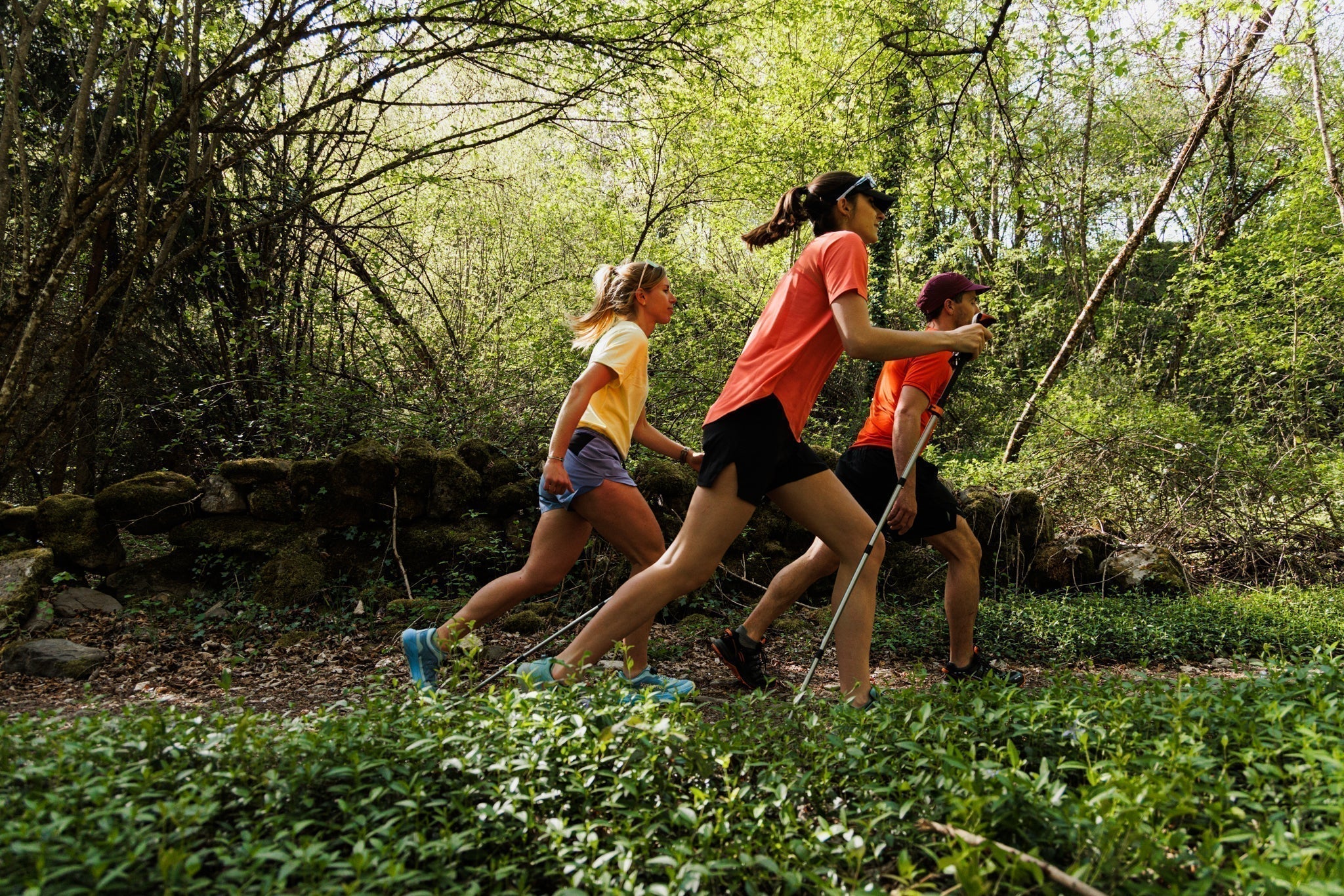
For those who like to walk at a good pace, spring is ideal for brisk walking. The elevation gains remain manageable, the temperatures make the effort easier, and the mixed terrain requires attention.
End-of-season snowshoeing
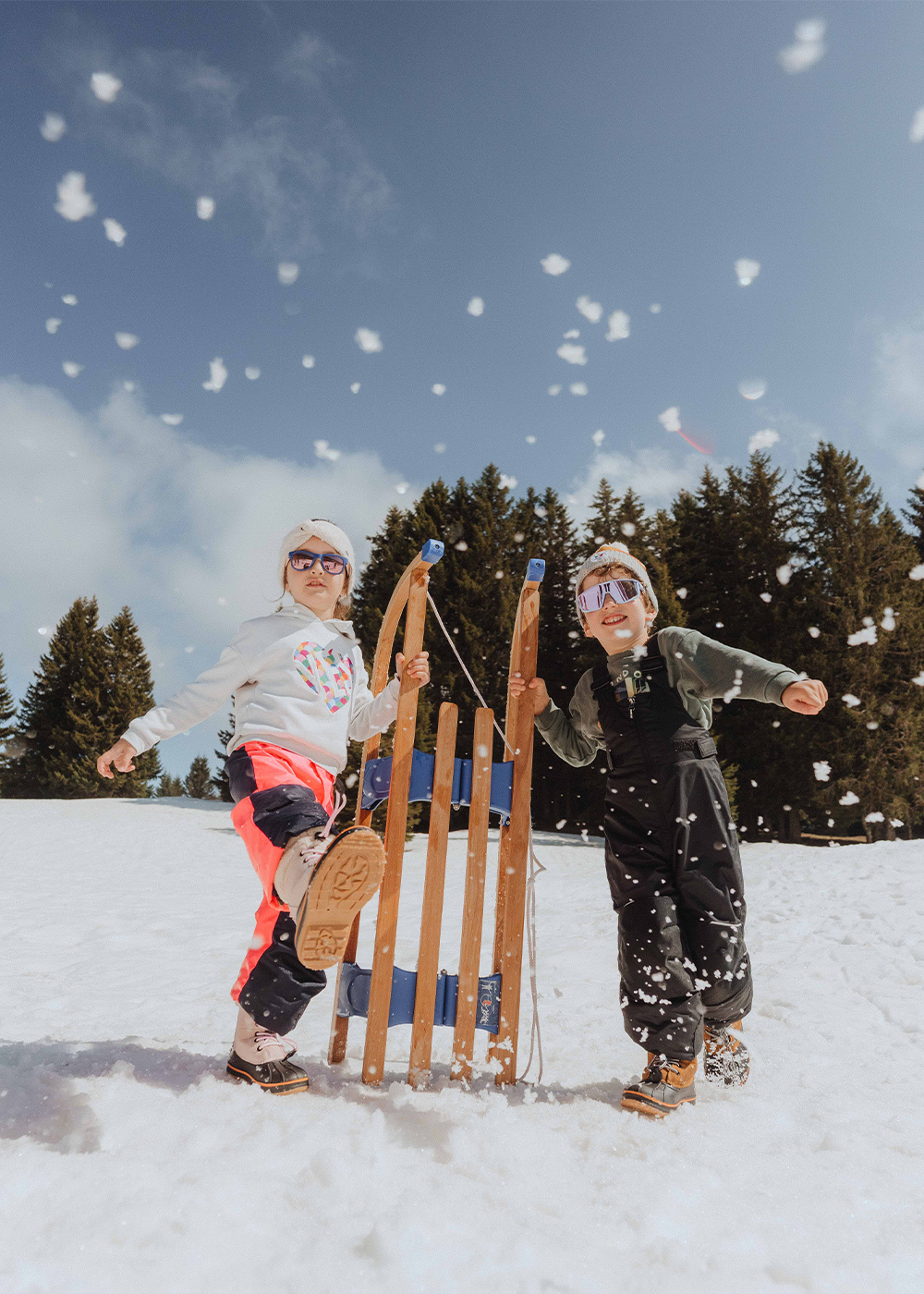
Depending on the mountain range and altitude, snow is still present. Snowshoes allow you to explore these areas safely, on marked or guided routes. A complementary activity to classic hiking, ideal in early spring.
Wildlife observation
Spring marks the return of animal activity. Chamois, marmots, or birds are easier to observe, especially on quiet trails. Hiking then becomes quieter, with an adapted pace and attention paid to the environment.
Landscape photography
Between residual snow, omnipresent water, and regrowing vegetation, mountain landscapes change quickly. Hiking offers many opportunities to stop, observe, and capture these contrasts without going far or climbing high.
Themed and heritage hikes
Interpretation trails, mountain villages, old alpine pastures… These hikes provide a framework for the outing and give meaning to the route. In spring, they allow you to discover the mountains differently, at a more relaxed pace.
What equipment to bring for spring hiking
Choosing your hiking shoes carefully
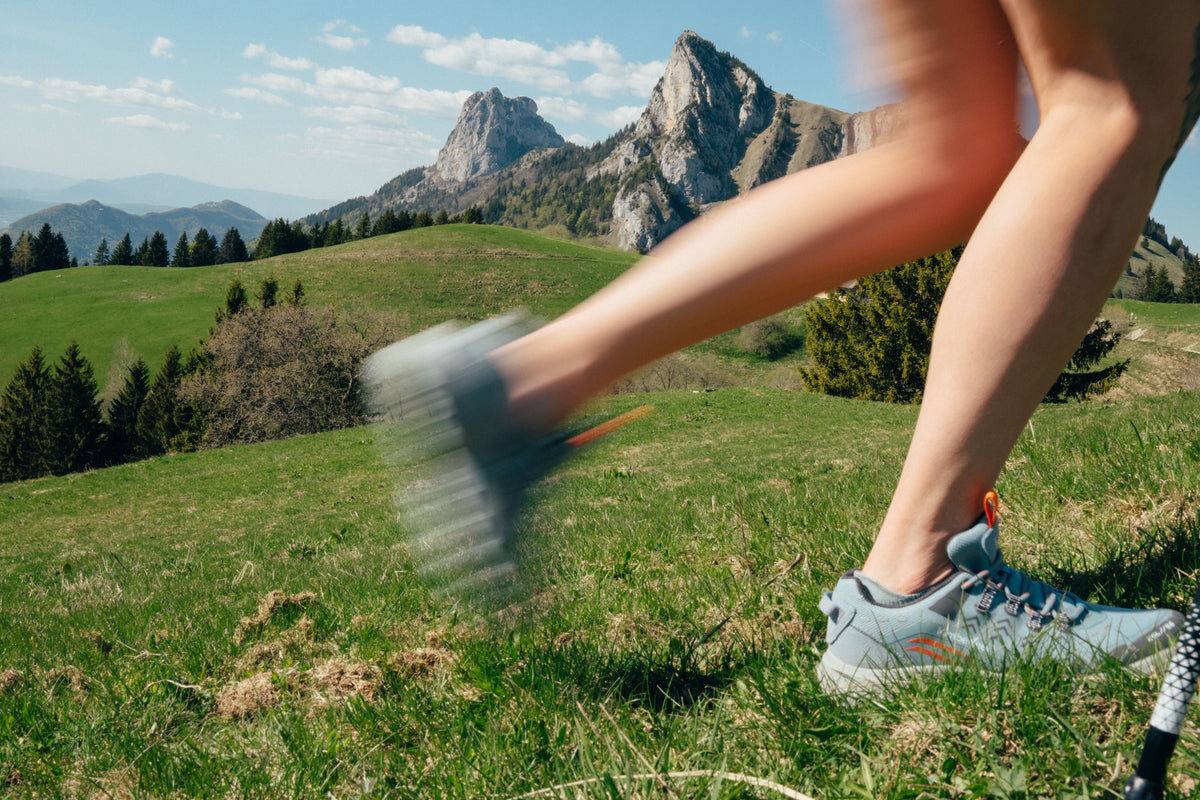
Hiking shoes play a central role in spring. The terrain alternates between dry earth, mud, residual snow, and wet rocks.
Here are the points to check before leaving:
✔ sole with good grip on damp ground
✔ waterproof membrane to keep your feet dry
✔ breathability to prevent internal moisture
✔ sufficient support for slippery descents
✔ long-lasting comfort, without excessive stiffness
Stability and grip matter more than pure technicality.

Hiking clothes: adopt the layering system
Spring requires adjusting your outfit throughout the day to avoid overheating and runny noses. The layering system remains the simplest solution to adapt to the weather and the effort:
✔ a breathable base layer, close to the body
✔ a mid-layer to manage heat
✔ a windproof and water-repellent outer layer
This principle allows you to add or remove a layer without breaking the pace of the hike.
Useful hiking accessories for spring
A few accessories make a difference on spring trails:
✔ hiking poles for stability and descents
✔ gaiters for mud and melting snow
✔ sunglasses and sun protection
✔ a bag suited to the duration of the outing
✔ sufficient water supply, even in cool weather
Well-chosen equipment limits unforeseen events and makes hiking more enjoyable, even when conditions change quickly.
Safety and preparation: the right reflexes in spring
✔ Before leaving, check the local weather and the forecast for the day. In the mountains, a general forecast is not always enough. Also check the altitude, exposure, and condition of the trails. Some routes remain partially snow-covered or wet longer than expected.
✔ Adapt your times. Leaving a little later avoids frozen ground in the morning. Leave yourself a margin to turn back if conditions change. Spring is not the season to force a passage or extend a route at the last minute.
✔ Finally, adjust your outing to your level and your fitness for the day. Spring hiking in the mountains is better enjoyed when you accept to revise your plans, shorten a loop, or favor comfort over the objective.
Spring in the mountains: an ideal season to reconnect with hiking
The arrival of spring makes you want to get your shoes out again and get back on the trails.
An ideal season to reconnect with hiking, at your own pace, and rediscover the simple pleasure of walking outdoors.
Whether small or large, share your adventures with us! Tag Kimberfeel in your Instagram stories. We love seeing the mountains through your steps.
Choose your way.